Hajj Village: A $2 Billion Bet to Build A ‘Second Home’ for Indonesian Pilgrims
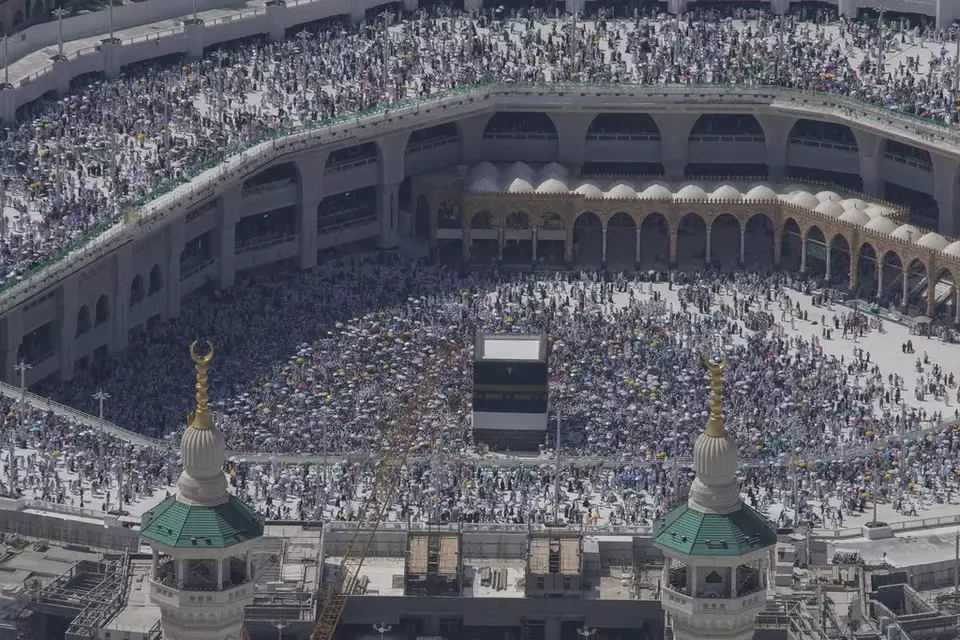
Indonesia is preparing to invest up to $2 billion to build what it calls a “second home” for millions of Indonesian pilgrims traveling to Mecca each year, marking one of the country’s most ambitious overseas investments to date. The plan gained early traction this week following the historic acquisition of a strategically located hotel complex in Saudi Arabia.
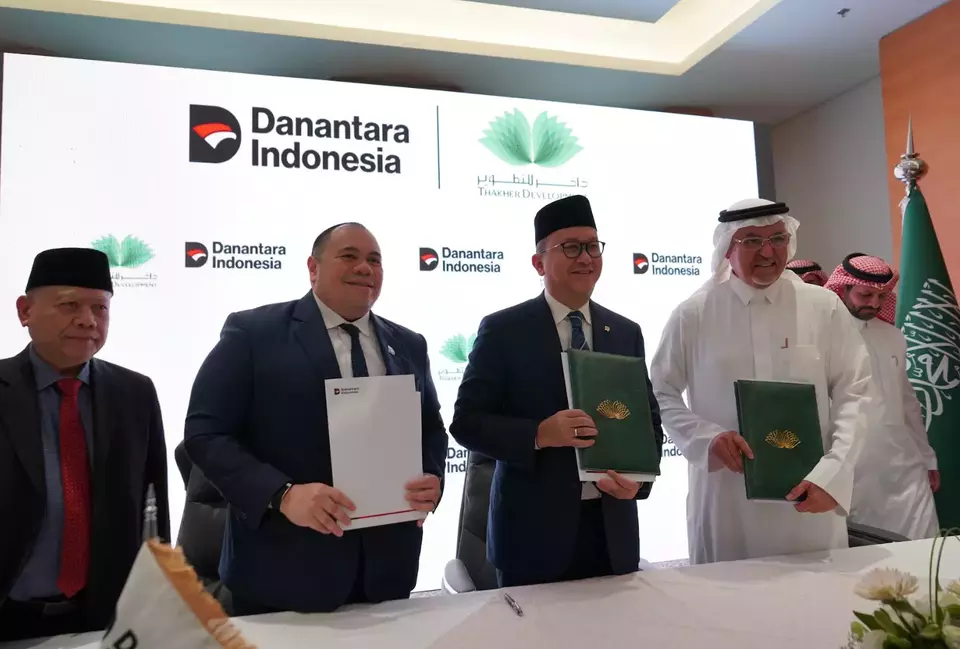
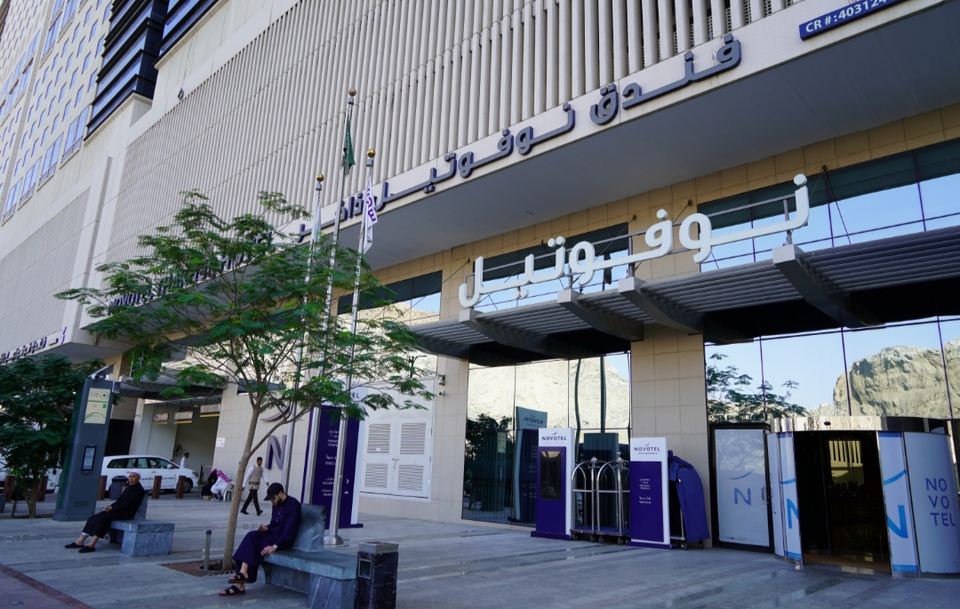
The sovereign wealth fund Danantara has signed a $500 million conditional purchase agreement with Thakher Development Company to acquire the already operational Novotel Makkah Thakher City, along with 14 land plots spanning 4.4 hectares.
“We are not renting this land. It now belongs to the Indonesian government through Danantara. This is the first land in Mecca acquired by a non-Saudi entity,” Danantara chief executive Rosan Roeslani recently said.
Indonesia has long explored the idea of building a dedicated residential complex for its pilgrims in Mecca. That vision is now becoming viable after Saudi Arabia opened property ownership to foreign entities across the kingdom. The acquired site lies just 2.5 kilometers from Masjid al-Haram, or the Grand Mosque, roughly half the distance Indonesian pilgrims typically travel from existing accommodations.
The existing three-tower Novotel complex can house 4,383 guests. Jakarta plans to significantly expand the development by constructing 13 additional towers and a shopping center on the remaining land, bringing the total accommodation capacity to around 23,000 pilgrims. Danantara estimates that construction will cost up to $800 million, with groundbreaking scheduled for the fourth quarter of 2026.
While rooms will be open to foreign guests, Indonesians – who form the world’s largest Hajj contingent – will be prioritized, the fund said. The Saudi deal also marks Danantara’s first overseas investment, signaling a broader push by Indonesia to secure strategic assets abroad.
To further improve logistics, the fund is also bidding for land in the Western Hindawiyyah area, competing against about 90 bidders for a plot priced at $750 million. Indonesia is among the top two contenders, with the winner expected to be announced by January.
Is It Worth the Investment?
Indonesia’s Hajj quota for 2026 stands at 221,000 pilgrims, with the cost per pilgrim set at Rp 87.41 million ($5,233). Pilgrims themselves pay Rp 54.19 million, or roughly 62 percent of the total cost, much of which is spent on accommodation, consumption, and logistics in Saudi Arabia. Beyond the annual Hajj pilgrimage, Indonesia also sends around 2 million Umrah pilgrims each year. The Religious Affairs Ministry has set the ideal Umrah cost starting at Rp 23 million per person.
Together, these figures point to a multitrillion-rupiah outbound pilgrimage economy generated annually by Indonesian demand — an economy that currently flows largely to foreign-owned hotels, caterers, and logistics providers in Saudi Arabia.
Analysts say Danantara’s involvement reflects a strategic attempt to internalize part of that value chain through direct asset ownership and integrated ecosystem management. The fund estimates that the Hajj Village project could create up to 7,500 jobs for Indonesians and generate more than Rp 2.5 trillion ($149.5 million) in annual economic value.
University of Indonesia economist Rahmatina Kasri said the project is fundamentally viable given the scale and predictability of Indonesia’s pilgrim flows, the country’s large Hajj quota, and rising accommodation demand. However, she cautioned that returns would depend heavily on Danantara’s ability to manage regulatory uncertainty, large capital requirements, and the risk that occupancy rates or tariffs fall short of projections, particularly if pilgrim patterns or quotas change.
Beyond project-level feasibility, economists have also flagged broader capital allocation concerns. The Hajj Village would require substantial long-term investment overseas, effectively locking Indonesian capital into a single foreign jurisdiction while offering limited spillover effects at home. Most employment and operational activities would remain in Saudi Arabia, potentially constraining the project’s multiplier impact on Indonesia’s domestic economy.
Andalas University economist Endrizal Ridwan echoed the project’s economic potential but highlighted market-facing risks, especially in the Umrah segment. “With one of the largest pilgrim bases in the world, the Hajj Village has strong potential to deliver healthy returns if managed properly. But the main risk is failing to retain customers if comfort and accessibility are not competitive,” Endrizal said.
Umrah pilgrims, who generally have higher incomes, tend to prioritize convenience, making distance from Masjid al-Haram and transport access critical to occupancy. Endrizal also warned that the Hajj Village would not automatically reduce pilgrimage costs unless it operates more efficiently than existing providers.
For pilgrims themselves, both economists said the most immediate benefits would be improved service consistency and additional accommodation options, while any meaningful cost relief would likely emerge only in the medium to long term.
Danantara has said that state-owned tourism firm Injourney will participate in hotel operations, although the company has yet to issue detailed comments. Danantara will fully bankroll the initial investment phase but remains open to other funding sources, including potential involvement from the Hajj fund management agency BPKH.
Can This Be A Ticket to A Second Term?
Rosan attributed the rapid progress of the acquisition to President Prabowo Subianto, who publicly declared his Hajj Village plan in May. About two months later, Saudi Crown Prince Mohammed bin Salman (MbS) agreed to the plan when Prabowo visited Jeddah. The leaders recently discussed the Hajj Village plan over the phone.
While Prabowo managed to win MbS’ heart, questions arise on whether the project can be a strong capital for the next presidential race, given that Indonesian voters are overwhelmingly Muslim. Gerindra Party has signaled that it would nominate Prabowo as its presidential candidate for the 2029 election.
Political analyst Agung Baskoro described the Hajj Village as a “positive precedent”, especially if the Hajj Village can slash the pilgrimage costs.
“It reaffirms Prabowo’s commitment to enhance Hajj services, but I believe the project will only inflict a side effect on his electability. This is something that the government has to prove.”
He went on to say that it is still too early to tell whether the initiative would get Prabowo in good graces with the Muslim voters. The megaproject’s impact on public opinion towards Prabowo will only be visible in the coming years, depending on whether the pilgrimage services have improved.

Political communications expert Kunto Adi Wibowo stated that Hajj Village would only “slightly improve” Prabowo’s image, and the in-person distance between the accommodations and the Masjid al-Haram would be a determining factor.
“Our economy is not at its best condition. Public opinion hinges more on how Prabowo deals with pressing matters like free meal rollout, Sumatra floods, and employment, rather than the Hajj Village,” Kunto told the Jakarta Globe.
The project forms part of Prabowo’s broader agenda to improve services and protection for Indonesian pilgrims. Prabowo has previously introduced Indonesia’s first dedicated Hajj and Umrah ministry and ordered a reduction in government-set Hajj costs.
Terbit di Jakarta Globe